Classification of Dental Caries | Types, Severity & Expert Treatments in Dubai
dental caries types and severity with G.V. Black’s classification. Expert treatment at Dr. AL Dental Clinic, Dubai.
Read More
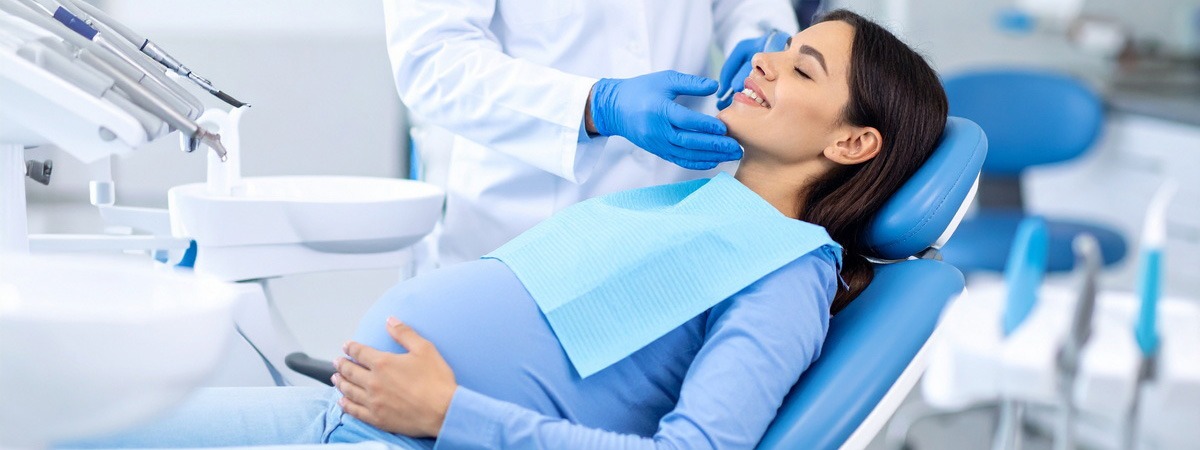
Pregnancy is a remarkable and transformative period, bringing with it many physical and emotional changes. While expectant mothers are often diligent about antenatal check-ups, nutrition, and lifestyle adjustments, oral health is sometimes overlooked. This is understandable—many women are unsure which dental procedures are safe during pregnancy and which should be postponed.
At Dr. AL Dental Clinic, we frequently see pregnant patients with concerns about dental pain, bleeding gums, or ongoing treatments. This month’s blog aims to provide clarity on which dental procedures are best avoided during pregnancy, why they are avoided, what safe alternatives exist, and why the second trimester is considered the safest time for dental care.
Hormonal changes during pregnancy—particularly increased levels of progesterone and oestrogen—can significantly affect oral health. Common pregnancy-related dental issues include:
Untreated dental infections can pose risks not only to the mother but also to the developing baby. Therefore, preventive and necessary dental care should not be avoided, but it must be approached carefully and appropriately.
Pregnancy is divided into three trimesters, and timing plays a crucial role when planning dental procedures.
For these reasons, the second trimester is widely regarded as the safest and most comfortable time for most dental treatments.
Examples include:
These procedures are not medically necessary and may involve chemicals, prolonged chair time, or multiple visits. Since they do not provide urgent health benefits, it is safer to postpone them until after delivery.
Routine cleaning and polishing to maintain oral hygiene until cosmetic treatment can be safely performed postpartum.
Although modern dental X-rays emit very low radiation and are generally considered safe with proper shielding, unnecessary exposure is avoided during pregnancy—especially in the first trimester.
If X-rays are essential, they can be taken using:
Surgical procedures may involve stress, local anaesthesia, post-operative medications, and inflammation—all of which are best minimised during pregnancy.
Urgent extractions due to infection may still be performed, preferably during the second trimester.
Implant placement is an elective procedure that involves surgery, X-rays, and a healing period influenced by hormonal changes. Pregnancy-related changes in bone metabolism and gum health can affect implant outcomes.
Some medications commonly used in dental treatment may pose risks during pregnancy, including:
Dentists work closely with obstetricians to prescribe pregnancy-safe medications, such as:
When clinically indicated—especially during the second trimester—the following treatments are usually safe:
At Dr. AL Dental Clinic, every treatment plan is individualised, and we always consider the patient’s gestational age, medical history, and comfort.
Delaying all dental care during pregnancycan sometimes do more harm than good. Untreated infections may lead to:
The goal is not to avoid dentistry entirely, but to provide safe, evidence-based care at the right time.
We understand that pregnancy can be an anxious time, especially when dental treatment is needed. Our approach includes:
Your comfort, safety, and peace of mind are our priority.
Pregnancy does not mean avoiding the dentist—it means being treated thoughtfully and at the right time. While elective and cosmetic procedures are best postponed, necessary dental care should not be delayed, particularly during the second trimester, which is the safest window for treatment.
If you are pregnant or planning to become pregnant and have any dental concerns, we encourage you to seek professional advice early. At Dr. AL Dental Clinic, we are here to support you through every stage of your journey—safely, compassionately, and professionally.
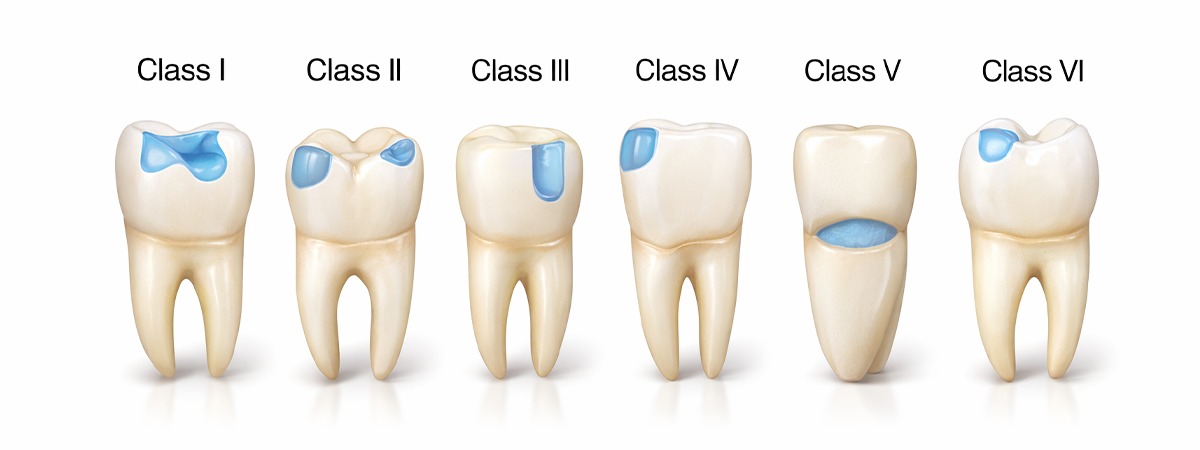
dental caries types and severity with G.V. Black’s classification. Expert treatment at Dr. AL Dental Clinic, Dubai.
Read More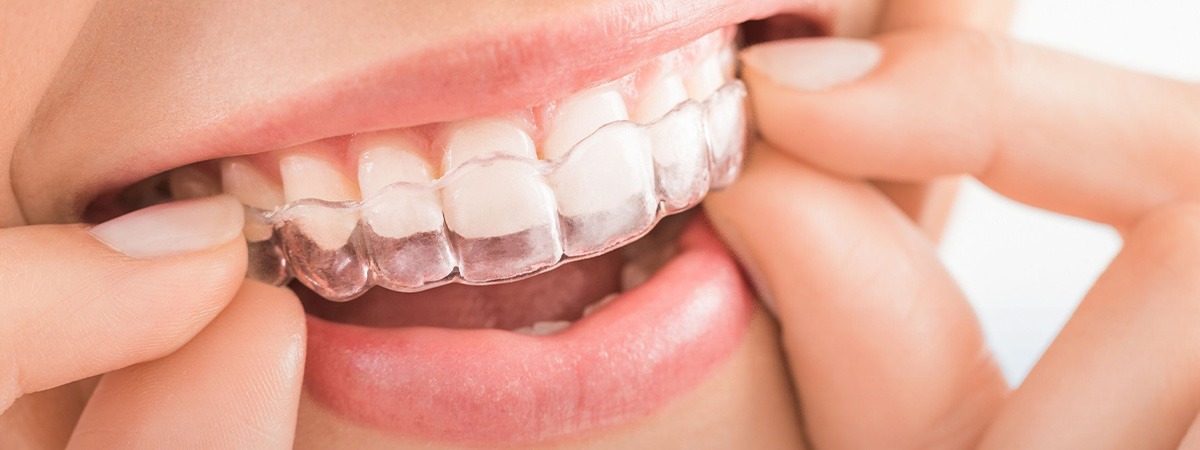
Get Invisalign treatment in Dubai at Dr. AL Dental Clinic. Clear aligners & braces for a perfect smile. Safe, effective, and comfortable.
Read More
Proper diet after dental surgery reduces pain and speeds healing. Read the complete post-surgery care guide by Dr. AL Dental Clinic.
Read More
The top 10 foods that harm your teeth. dentists share expert tips on what to avoid to prevent cavities, enamel damage, and tooth sensitivity
Read More

