Top 10 Foods to Avoid for Healthy Teeth – Dubai Dentist Expert Guide
The top 10 foods that harm your teeth. dentists share expert tips on what to avoid to prevent cavities, enamel damage, and tooth sensitivity
Read More
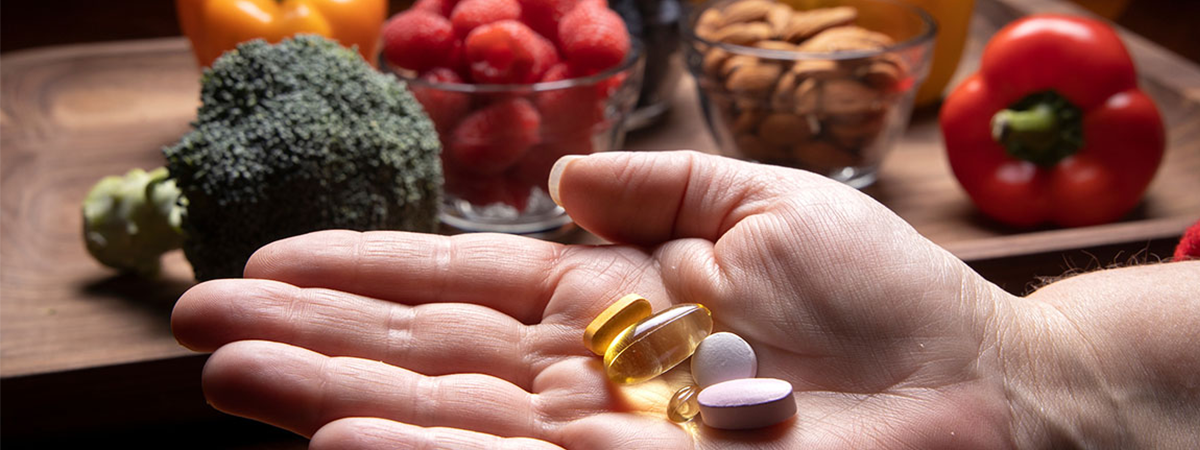
Whether a patient is undergoing a simple tooth extraction, a surgical removal of impacted wisdom teeth, implant placement, or periodontal surgery, healing is not determined by the procedure alone. What happens after the appointment—particularly diet and adherence to post-operative instructions—plays an equally important role. At Dr. AL Dental Clinic in City Walk, Dubai, we consistently see variations in healing quality between patients who follow dietary and supplement recommendations and those who do not.
This month’s blog explores how diet, nutrition, and supplementation influence healing after surgical dental procedures, and why post-operative instructions matter more than many patients realize.
Every surgical procedure triggers a controlled inflammatory response. This is the body’s natural way of repairing tissue, closing wounds, and preventing infection. While genetics, age, and medical conditions all play a role, two modifiable factors significantly impact healing outcomes:
Why avoid:
Patients often underestimate both. Many assume that once the surgery is done, the rest relies solely on the skill of the surgeon. But healing is a biological process—and biology responds directly to nutrients, hydration, habits, and overall patient compliance.
Protein is essential for collagen formation, wound closure, immune function, and rebuilding soft and hard tissue. Insufficient protein intake delays every stage of healing.
Common issues we see:
Better choices:
Adequate protein intake—especially during the first 3–5 days—can significantly reduce healing time and minimize complications like dry socket or poor soft-tissue recovery.
Essential for collagen synthesis, connective tissue repair, and immune defense.
Low vitamin C = delayed wound healing.
Sources: oranges, kiwis, strawberries, bell peppers, supplements (if needed).
Vitally important for bone healing, making it especially relevant for implant surgery and bone grafting.
Patients with low vitamin D have been shown to experience:
In Dubai, despite abundant sunlight, vitamin D deficiency is extremely common.
Plays a central role in cell repair and immune function. Even mild zinc deficiency impairs wound healing.
Sources: pumpkin seeds, nuts, eggs, and zinc supplements (when recommended).
Vital for energy production and assisting the body’s immune responses after surgery.
Low B-vitamins can contribute to fatigue and sluggish recovery.
Dehydration reduces blood flow to the surgical site, slows tissue regeneration, and increases discomfort.
Many patients avoid drinking water after surgery—especially after extractions and wisdom tooth surgery—because it feels “uncomfortable.”
This is a mistake.
Staying well hydrated:
Aim for at least 2 liters per day, unless medically restricted.
Supplements should never replace a healthy diet, but in many cases—especially in the UAE where vitamin D and B deficiencies are common—they can make a measurable difference.
Below are clinically relevant supplements that many dentists, oral surgeons, and implantologists recommend:
Crucial for bone healing and post-implant integration.
A typical post-surgical recommendation (unless contraindicated):
2,000–4,000 IU of Vitamin D3 daily for 1–2 weeks before and after implant surgery.
Helps reduce swelling, speeds soft tissue repair, and supports gum healing after periodontal or extraction surgeries.
Anti-inflammatory effect that promotes faster healing and reduces post-operative discomfort.
Omega-3s may also support bone metabolism after implant placement.
For patients who struggle to eat solids due to pain or swelling, a protein shake ensures adequate intake during the recovery period.
Every dental surgeon has seen patients who do “everything wrong” after surgery and then wonder why healing is slow or painful. Below are the instructions most frequently ignored—and the impact that neglect has on recovery.
This is the number one cause of complications after extractions and implant procedures.
Even shisha and vaping cause similar issues.
We advise abstaining for at least 72 hours after extractions, and at least 2–3 weeks after implant surgery.
Chewing on the surgical side can:
Patients often return complaining of “pain on day 3” only to admit they ate a burger, nuts, rice, or hard bread.
Stick to soft, cool foods for the first 24–48 hours.
Antibiotics are often misunderstood. Some patients stop taking them once they “feel better,” which increases infection risk.
Painkillers are also frequently taken incorrectly—either too much or too little.
Following the exact dosing schedule dramatically improves healing comfort.
Chlorhexidine mouthwash is usually recommended 24 hours after surgery.
Some patients use it immediately, which can wash out the clot.
Others ignore it completely, leading to plaque accumulation near the wound.
Surprisingly common.
Some patients stop brushing to “avoid the area,” causing bacteria to grow near the wound.
Gentle brushing away from the surgical site is crucial for preventing infection.
Is There a Real Correlation Between Poor Diet/Supplementation and Healing Quality?
Yes—absolutely.
Clinical observations and research consistently support the connection between nutrition and healing outcomes.
Patients with poor diet or nutrient deficiencies experience:
On the other hand, patients who follow nutritional guidelines often heal more quickly, report less pain, and achieve better long-term surgical results.
At Dr. AL Dental Clinic, we encourage patients to take a proactive approach to healing. Our post-operative protocol often includes:
Dental surgery does not end when the patient leaves the clinic. Healing is a partnership between the dentist and the patient. By eating the right foods, staying hydrated, taking recommended supplements, and following post-operative guidelines, patients can significantly improve their healing outcomes.
Better healing means:
At Dr. AL Dental Clinic in City Walk, Dubai, we are committed to guiding our patients through every step of the healing journey—not just performing the procedure, but ensuring the best possible recovery.
If you have upcoming dental surgery or want personalized nutritional guidance, our team is always here to help.
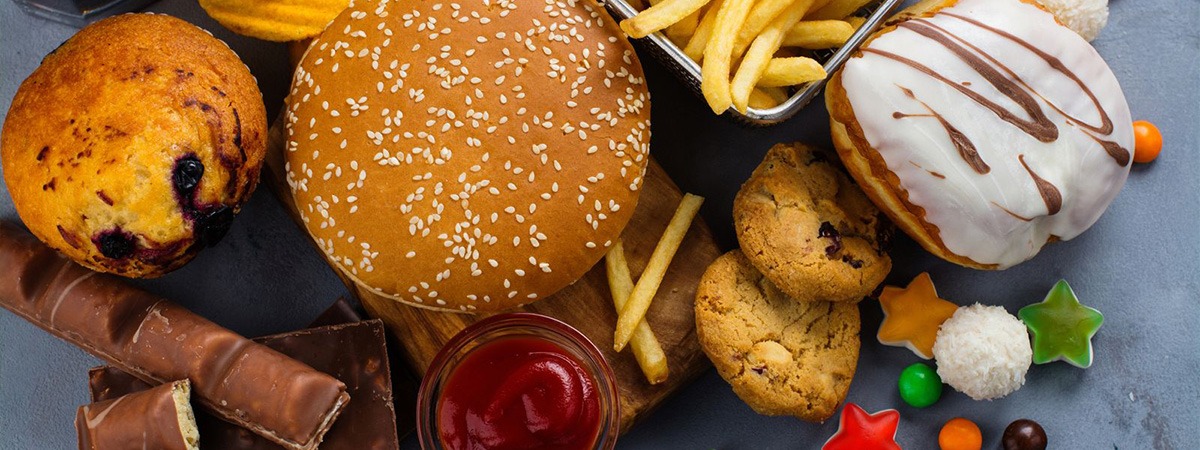
The top 10 foods that harm your teeth. dentists share expert tips on what to avoid to prevent cavities, enamel damage, and tooth sensitivity
Read More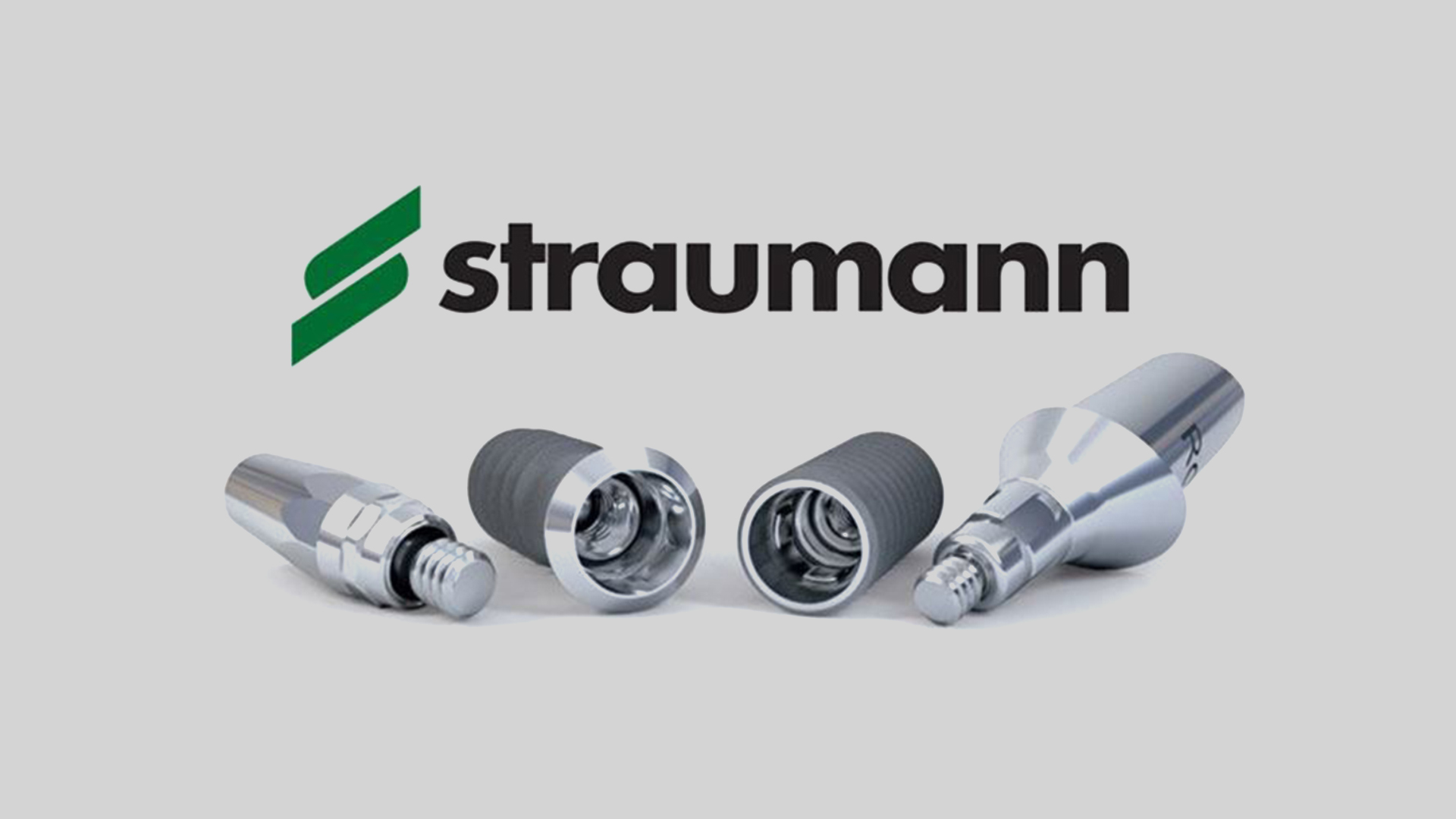
Straumann dental implants at Dr. AL Dental Clinic offer faster healing, long-term stability, and a natural smile you can trust for life.
Read More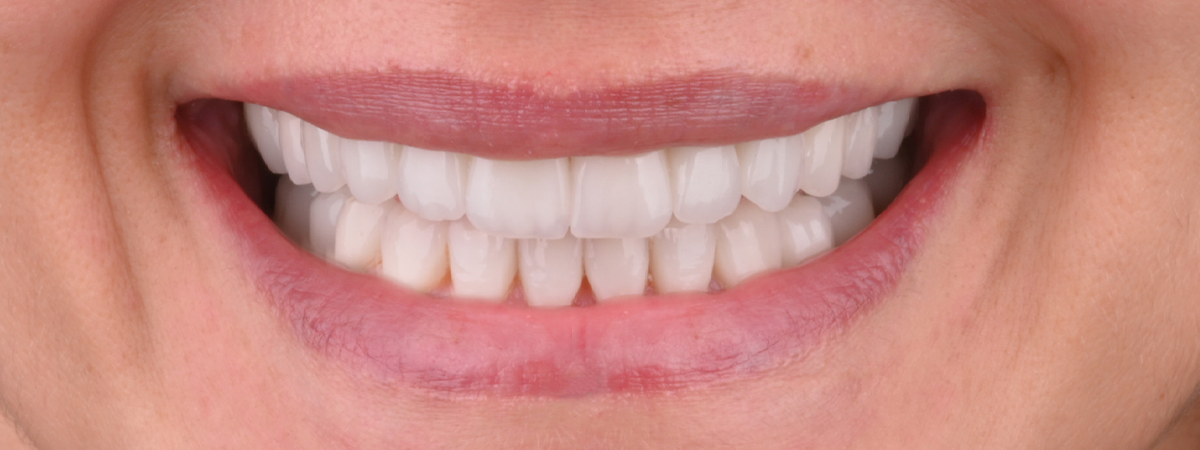
Get a radiant Hollywood smile in Dubai with durable, natural-looking veneers. Explore the benefits of veneers and smile design specialists
Read More
Fear, cost, and time stop many from seeing the dentist. Dr. AL Dental Clinic Dubai explains why early dental care is key to lasting oral health and confidence.
Read More

