Dr. AL: Meet the Founder Behind Dubai’s Most Trusted Dental Clinic
Meet Dr. AL, expert Prosthodontist & founder of Dubai's trusted dental clinic. 20+ years in implants & cosmetic dentistry
Read More

At Dr. AL Dental Clinic, we frequently see patients who present with jaw pain, clicking, headaches, or difficulty opening their mouth—symptoms that are often traced back to problems with the temporomandibular joint (TMJ). While TMJ disorders can have many causes, one of the most overlooked and underestimated contributors is inadequate orthodontic or prosthodontic treatment. Poor bite planning, incorrect tooth positioning, or improperly designed restorations can place chronic stress on the jaw joints, leading to long-term functional and structural issues.
This article explores how bad orthodontics and prosthodontics can contribute to TMJ problems , the future complications that may arise if left untreated, and how modern dentistry can correct or prevent these issues.
The temporomandibular joints connect the lower jaw (mandible) to the skull and are among the most complex joints in the human body. They allow for opening, closing, chewing, speaking, and lateral jaw movements. For the TMJ to function comfortably and efficiently, there must be harmony between the teeth, the muscles, and the joints.
When the bite (occlusion) is unstable or poorly designed, the jaw is forced to adapt. Over time, this adaptation can overload the muscles and joints, resulting in inflammation, disc displacement, or degenerative changes within the TMJ.
Orthodontic treatment aims to align teeth and jaws into a stable, functional position. Problems arise when treatment focuses purely on aesthetics while ignoring function.
Common orthodontic-related TMJ triggers include:
Patients may finish orthodontic treatment only to develop jaw clicking, facial pain, or headaches months or years later.
Prosthodontics involves crowns, bridges, veneers , dentures, and implant restorations. When done incorrectly, these restorations can significantly disrupt the bite.
Common prosthodontic issues linked to TMJ problems include:
Unlike natural teeth, implants lack periodontal ligament feedback. This means patients may not feel premature contacts early on, allowing destructive forces to build silently—often at the expense of the TMJ.
TMJ issues related to occlusal problems often present gradually. Patients may report:
Because symptoms can mimic sinus, ear, or neurological problems, TMJ disorders are frequently misdiagnosed or ignored until they worsen.
When TMJ issues caused by poor orthodontic or prosthodontic work are not addressed, the consequences can be significant:
Ongoing inflammation can lead to disc displacement, limited mouth opening, and persistent pain that affects quality of life.
Long-term overload may cause osteoarthritic changes within the joint, leading to irreversible damage.
An unstable bite increases parafunctional habits such as clenching and grinding, accelerating enamel wear and restoration failure.
Constant muscle overactivity can cause myofascial pain syndromes and facial asymmetry.
Crowns, veneers, bridges, and implants may repeatedly fail if the underlying bite problem is not corrected.
The good news is that TMJ issues related to dental treatment are often manageable and, in many cases, reversible—especially when diagnosed early.
At Dr. AL Dental Clinic, we emphasise thorough assessment, including:
Understanding how the teeth, muscles, and joints interact is critical before initiating any corrective treatment.
Custom-made splints can help stabilise the bite, relax muscles, and unload the TMJ. This is often the first step in symptom relief.
Minor occlusal discrepancies can sometimes be corrected by selective reshaping or replacing faulty restorations.
In cases where tooth positioning is the root cause, orthodontic correction focused on function—not just aesthetics—may be required.
For patients with multiple restorations or bite collapse, a carefully planned prosthodontic rehabilitation can restore proper occlusion and jaw support.
Severe cases may require collaboration between general dentists, orthodontists, prosthodontists , and physiotherapists to achieve stable, long-term results.
TMJ problems are often preventable. Proper treatment planning, respect for occlusion, and understanding jaw dynamics are essential—whether placing a single crown or performing full-mouth rehabilitation.
Patients should always seek care from clinicians who prioritise function, stability, and long-term health, not just cosmetic outcomes.
TMJ issues caused by poor orthodontics or prosthodontics are more common than many realise. They can develop quietly, worsen over time, and significantly impact daily life if ignored. Early diagnosis and proper management are key to preventing long-term damage.
At Dr. AL Dental Clinic, we believe that a healthy smile is one that looks good, functions comfortably, and stands the test of time. If you are experiencing jaw pain, bite discomfort, or unexplained facial symptoms—especially after previous dental treatment—we strongly recommend a comprehensive TMJ and occlusal evaluation.
Your jaw health matters as much as your teeth.
Meet Dr. AL, expert Prosthodontist & founder of Dubai's trusted dental clinic. 20+ years in implants & cosmetic dentistry
Read More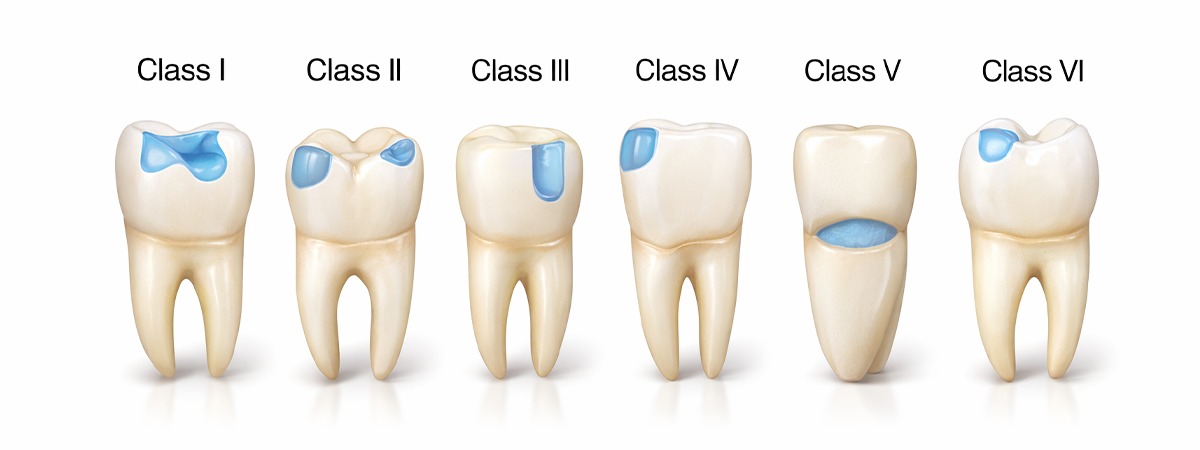
dental caries types and severity with G.V. Black’s classification. Expert treatment at Dr. AL Dental Clinic, Dubai.
Read More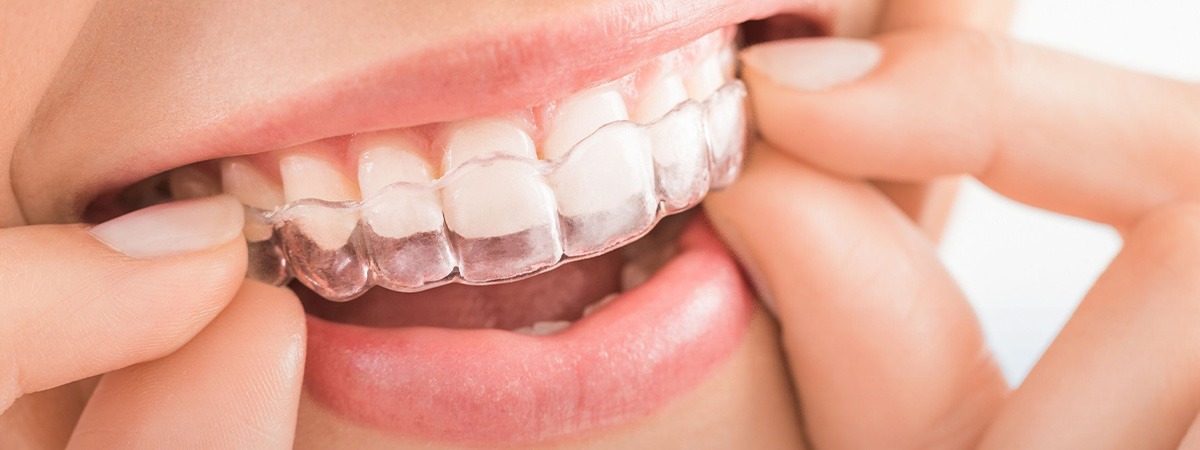
Get Invisalign treatment in Dubai at Dr. AL Dental Clinic. Clear aligners & braces for a perfect smile. Safe, effective, and comfortable.
Read More
Proper diet after dental surgery reduces pain and speeds healing. Read the complete post-surgery care guide by Dr. AL Dental Clinic.
Read More

